Are Google LSAs Worth It for Restoration Companies in 2026?
A practical guide to Google Local Services Ads for restoration contractors who want more qualified leads without wasting money on shared lead platforms.

Peyton Roop
Founder, Promotive Marketing
Published
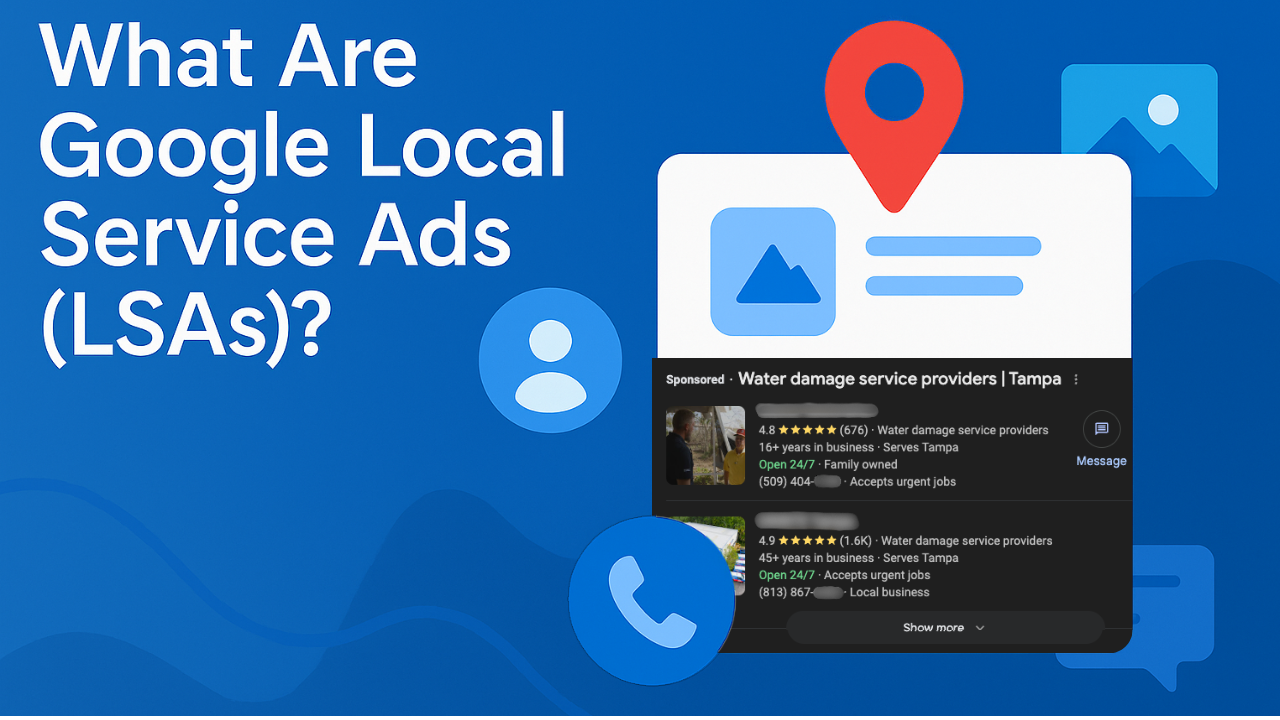
Are LSAs Still Worth It In 2026?
If you run a restoration company, you have probably heard other contractors talk about Google Local Services Ads.
And usually the conversation sounds something like this:
- “Do LSAs actually work?”
- “Are the leads any good?”
- “Are they better than Google Ads?”
- “Is the setup process worth the hassle?”
The short answer is yes. But only if they are managed correctly.
In 2026, LSAs are still one of the highest-intent lead sources available for restoration companies because they put your business directly in front of homeowners actively looking for emergency help.
The companies getting strong results from LSAs are usually not doing anything flashy. They simply have stronger trust signals, faster follow-up, and healthier systems behind the lead flow.
What Are Google Local Services Ads?
Google LSAs are pay-per-lead ads that appear at the very top of Google search results above traditional PPC ads and above the map pack.
Instead of paying every time somebody clicks your ad, you only pay when a customer directly contacts your business through the ad.
Your listing typically shows:
- Business name
- Google reviews
- Phone number
- Hours
- Google Guaranteed badge
- Service categories
For restoration companies, this matters because homeowners dealing with water damage, mold, or fire damage are usually looking for immediate help, not casually browsing.
Why Restoration Companies Still Love LSAs In 2026
The biggest advantage of LSAs is lead intent.
These are usually homeowners actively searching for:
- Emergency water damage help
- Mold remediation
- Fire restoration
- Flood cleanup
- Sewage cleanup
- Smoke damage restoration
The lead quality is often much higher than shared lead platforms because the homeowner is contacting your business directly.
Typical Restoration LSA Performance:
- Higher close rates than most PPC traffic
- Faster lead generation than SEO
- Exclusive inbound calls
- Better ROI than many shared lead platforms
- Strong visibility for emergency searches
In competitive markets, a well-managed LSA profile can become one of the strongest lead sources inside the business.
“I run a 7 figure business and we are on track to reach 8 figures with the help of Promotive Marketing LLC within the next 24-36 months.”
Caleb Wilson
Owner of Healthy Homes LLC
What Actually Impacts LSA Rankings In 2026
A lot of restoration companies think LSAs are only about budget.
They are not.
Google heavily prioritizes trust and responsiveness.
Major LSA Ranking Factors:
- Review quality and quantity
- Fast response times
- Fully completed profiles
- Business proximity
- Consistent lead handling
- Complaint history
- Active Google Business Profile management
The restoration companies consistently showing up near the top are usually the ones taking reviews, follow-up, and customer experience seriously.
The Biggest LSA Mistakes Restoration Companies Make
Most restoration companies do not fail with LSAs because the platform does not work.
They fail because the systems behind the leads are weak.
1. Slow Response Times
Restoration is urgent. If calls go unanswered or leads sit too long, homeowners move on quickly.
2. Weak Review Profiles
LSAs are heavily trust-based. Companies with stronger reviews almost always outperform weaker profiles.
3. Poor Follow-Up Systems
A lot of businesses focus only on generating the lead but completely neglect what happens after the phone rings.
4. Inconsistent Lead Management
Ignoring lead status updates, failing to dispute bad leads, and poor organization can hurt long-term performance.
Should Restoration Companies Run LSAs Or Google Ads First?
For most restoration companies, we usually recommend starting with LSAs first.
Why?
Because:
- They are lower risk
- They are easier to manage initially
- Lead intent is extremely high
- Results often come faster
- You pay per lead instead of per click
Once LSAs are producing consistently, Google Ads become a great way to expand visibility and scale lead flow further.
The strongest restoration companies usually combine:
- LSAs
- Google Business Profile optimization
- Local SEO
- Google Ads
- Strong follow-up systems
Because the more places homeowners see your business, the more trust and visibility you build.
LSAs Alone Are Usually Not Enough
LSAs are powerful, but they work best when connected to stronger systems across the business.
The restoration companies growing consistently in 2026 are usually combining LSAs with:
- Strong Google reviews
- Local SEO
- Fast lead response
- CRM systems
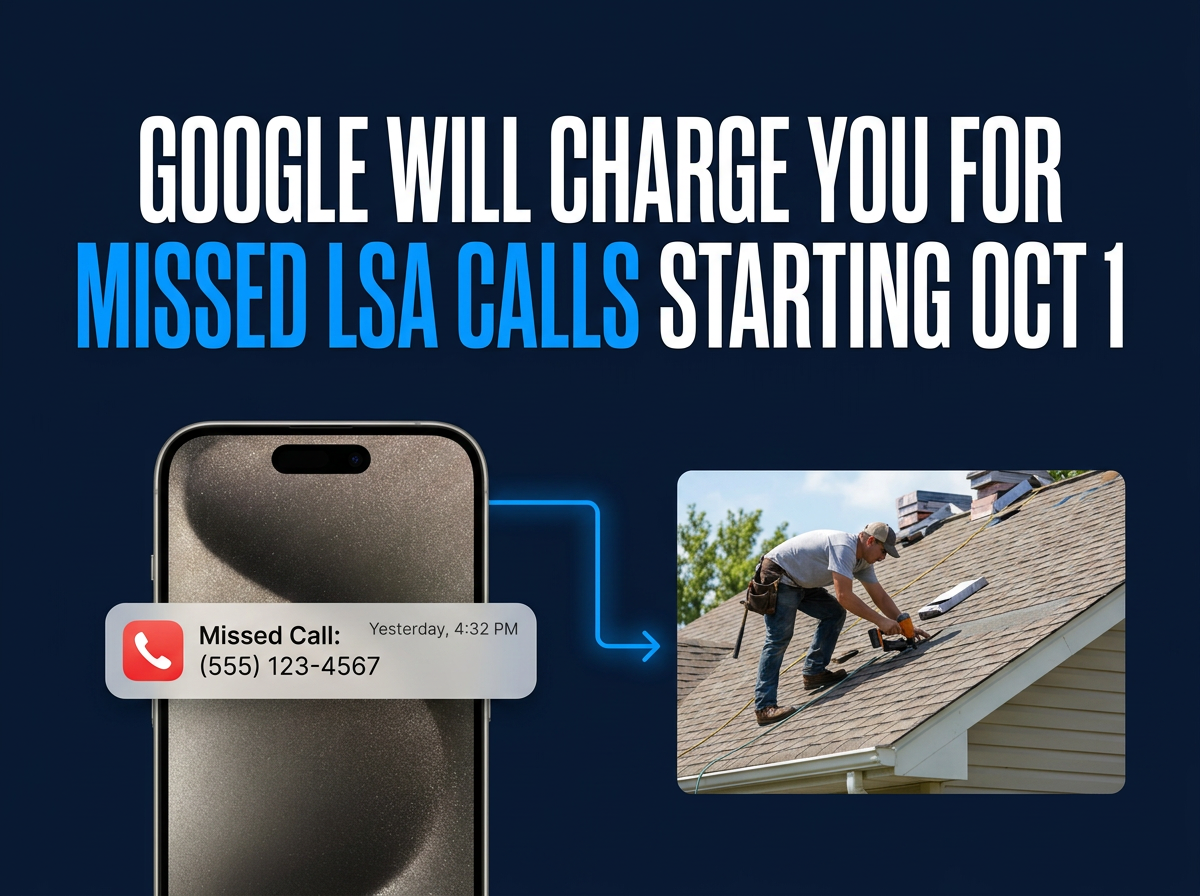
- Missed call text back
- Reputation management
- Strong websites and landing pages
More visibility helps. But the businesses converting the most leads are usually the ones with healthier systems behind the scenes.
Final Thought
Yes, Google LSAs are absolutely still worth it for restoration companies in 2026.
But simply turning them on is not enough anymore.
The companies getting the best ROI are the ones treating LSAs like a real growth channel instead of a side experiment. They respond fast, manage reviews consistently, strengthen follow-up, and build trust across every part of the customer experience.
Because in restoration, the company homeowners trust first usually wins the job.
Want Help Improving Your Restoration Lead Flow?
Promotive helps restoration companies strengthen visibility, improve follow-up, and build healthier systems behind predictable growth.
If you want clarity on where opportunities may be getting lost inside your marketing or lead handling process, schedule a free Growth Call with our team.
No pressure. No long-term contracts. Just a real conversation about what is actually holding the business back.
Free Tools
Written By
Peyton Roop
Founder, Promotive Marketing
Want This Running
In Your Business?
One call, a straight read on what is slowing growth down, and a plan you can act on whether you hire us or not.


Marketing and growth systems for roofing, exterior, and home service contractors. Built by people who have run a contracting business.
Bloomington and Peru, Illinois
Serving contractors nationwide
Monday to Friday, 8 to 5 CST
© 2026 Promotive Marketing LLC. All rights reserved.