How to Set Up a Successful Restoration Google PPC Campaign
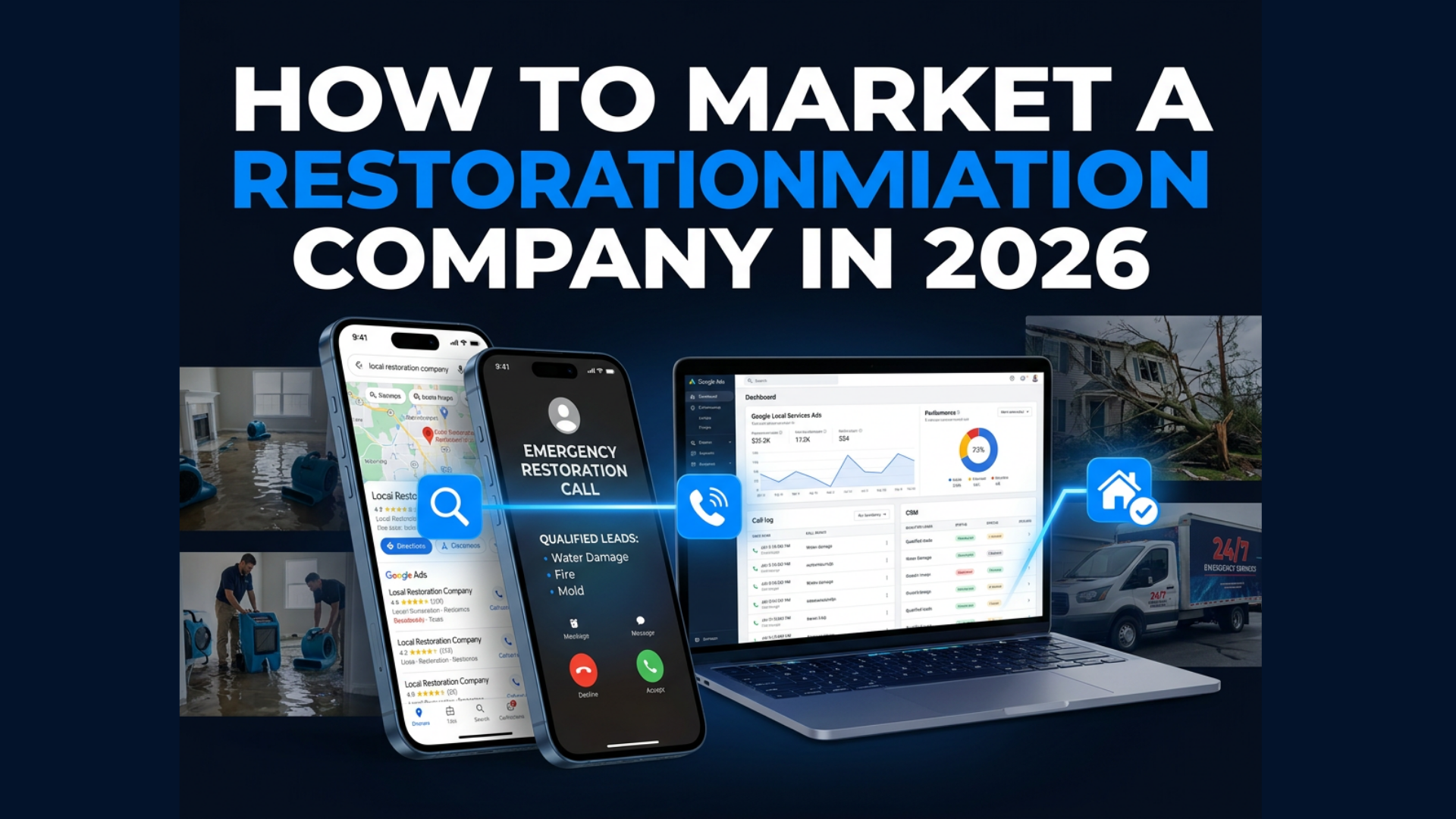
A successful restoration Google PPC campaign requires more than choosing a few keywords and setting a budget. This guide explains how to attract qualified emergency restoration leads, reduce wasted clicks, and track which campaigns turn into real jobs.

Peyton Roop
Founder, Promotive Marketing
Published
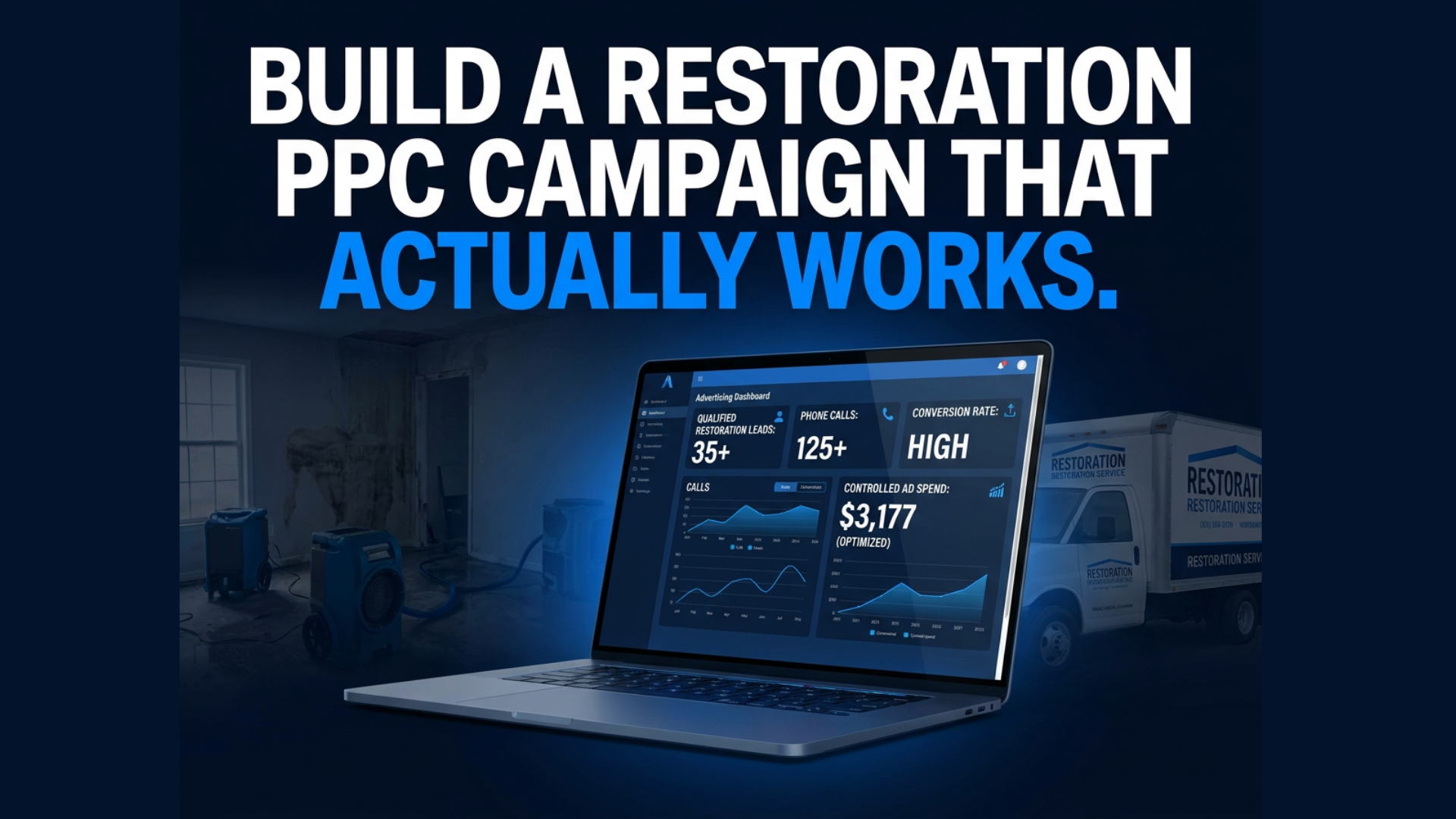
How to Set Up a Successful Restoration Google PPC Campaign
When someone discovers standing water, smoke damage, mold, or storm damage, they are not casually researching companies. They need help quickly and will usually contact one of the first restoration businesses that appears ready to respond.
A properly structured Google Ads campaign can place your restoration company in front of that customer at the right moment. A poorly structured campaign can waste money on job seekers, equipment rentals, DIY searches, out-of-area clicks, and services your team does not provide.
Here is how to build a restoration PPC campaign focused on qualified opportunities instead of empty clicks.
1. Start With One Restoration Service
Do not begin with one campaign advertising everything your company offers. Start with the service that has the best combination of demand, profitability, available crews, and response readiness.
That service may be:
- Emergency water damage restoration
- Water extraction
- Fire and smoke damage restoration
- Mold remediation
- Sewage cleanup
- Storm-damage restoration
The goal should be qualified phone calls and form submissions from people who need that specific service.
2. Separate Campaigns by Service
Someone searching for emergency water removal has a different problem than someone looking for mold remediation. They should not see the same ad or land on the same page.
A simple structure could include separate campaigns for water damage, fire and smoke damage, and mold remediation.
Water Damage Keywords
- Emergency water damage restoration
- Water removal company near me
- Flooded basement cleanup
- Burst pipe cleanup
- Emergency water extraction
Fire and Smoke Damage Keywords
- Fire damage restoration
- Smoke damage cleanup
- House fire restoration company
- Emergency fire cleanup
Mold Remediation Keywords
- Mold remediation company
- Professional mold removal
- Basement mold cleanup
- Mold remediation near me
This structure creates a stronger connection between the customer’s search, your ad, and the landing page they visit.
3. Focus on High-Intent Keywords First
Restoration clicks can be expensive, so begin with searches that show someone is actively looking for professional help.
Google Ads offers exact, phrase, and broad keyword match types. Exact match provides the most control, while phrase and broad match can reach a wider range of related searches.
Start with controlled exact and phrase-match keywords. Expand only after you know which searches are generating qualified calls and have enough data to make informed decisions.
“Start with the searches that show someone needs professional help now. Expand the campaign after you know which keywords are producing qualified restoration calls.”
Peyton Roop
Owner of Promotive Marketing
4. Block Searches That Waste Money
Negative keywords prevent your ads from appearing for searches that are unlikely to produce paying customers.
A starting negative keyword list may include:
- Jobs
- Salary
- Training
- Certification
- Classes
- DIY
- Equipment rental
- Supplies
- Used equipment
- Franchise
- Definition
- Course
You should also exclude restoration services your company does not offer. A company that does not handle asbestos removal, vehicle restoration, or biohazard cleanup should not pay for those searches.
Review the search terms report weekly when the campaign first launches. It shows the actual searches that triggered your ads and helps you identify irrelevant terms that should be blocked.
5. Target Your Real Response Area
Do not target an entire state simply because you are willing to travel for a large project. Emergency restoration customers usually need a company that can respond quickly.
Target the cities, ZIP codes, counties, or radius your team can serve reliably. Your emergency response area may need to be smaller than the territory where you accept scheduled projects.
Google Ads allows geographic targeting by specific areas or a radius around a location. Its default advanced setting may also include people who have shown interest in your target location, so review the location options carefully when building a local campaign.
6. Write Ads Around the Emergency
Your ads should immediately explain what you do, where you work, and how the customer can contact you.
Potential headlines include:
- Emergency Water Damage Restoration
- Fast Water Removal in [City]
- Local Fire Damage Restoration
- Call for Emergency Restoration
- Water Extraction Available Now
Only advertise 24-hour service when someone is genuinely available to answer and respond. Otherwise, you may pay for urgent calls your company is not prepared to handle.
Google removed the option to create new call-only ads in February 2026 and recommends using responsive search ads with call assets. Existing call-only ads are scheduled to stop receiving impressions in February 2027.
7. Use a Dedicated Landing Page
Do not send every visitor to your homepage. Someone searching for emergency water damage restoration should land on a page specifically about water damage.
The page should include:
- A service-specific headline
- A clickable phone number
- A short emergency request form
- Areas served
- Expected response process
- Real project photos
- Customer reviews
- Certifications and qualifications
- Insurance guidance without promising coverage
Keep the form simple. Ask for the customer’s name, phone number, address, damage type, and optional photos.
Promotive’s Google Ads management connects campaign targeting with focused landing pages, call tracking, lead follow-up, and performance reporting instead of treating each part as a separate tactic.
8. Track Qualified Leads and Sold Jobs
Clicks and form submissions do not tell you whether the campaign is profitable. You need to track what happens after each lead enters the business.
At minimum, measure:
- Calls from ads
- Calls from the landing page
- Completed forms
- Qualified opportunities
- Scheduled inspections
- Jobs sold
- Revenue generated
Do not optimize around every short call or spam submission. The goal is to identify which keywords and ads produce customers in your service area who need a service you provide.
9. Build the Budget Around Your Lead Goal
Do not choose a budget only because the number feels comfortable. Work backward from the number of qualified opportunities you want.
Use this formula:
Desired monthly leads × acceptable cost per qualified lead = starting monthly budget
Your acceptable cost per lead should consider your average project value, close rate, gross profit, competition, and operational capacity.
Restoration PPC Launch Checklist
Before launching, confirm that:
- Services are separated into focused campaigns
- Keywords reflect high-intent searches
- Negative keywords are installed
- Targeting matches your real response area
- Ads clearly explain the service
- Each service has a focused landing page
- Calls and forms are tracked
- Leads enter your CRM
- Your team can respond quickly
- Sold jobs can be traced back to the campaign
The Next Problem: Who Handles the Lead?
A properly built PPC campaign can generate more qualified restoration calls. It cannot make your team answer the phone.
If calls are missed, follow-up is delayed, or nobody owns the after-hours response process, the customer may hire another company before your team responds. That is the next problem the campaign will uncover.
Missed-call text back, immediate internal notifications, CRM tracking, and clear on-call responsibilities help turn paid opportunities into real jobs. More visibility only creates more revenue when the pipeline behind it is prepared to respond.
Build a Restoration PPC Campaign That Produces Real Jobs
Promotive helps restoration companies build Google Ads campaigns around high-intent searches, controlled targeting, focused landing pages, accurate tracking, and stronger follow-up.
The goal is not more clicks. It is more qualified opportunities and a better system for turning those opportunities into restoration jobs.
Free Tools
Written By
Peyton Roop
Founder, Promotive Marketing
Want This Running
In Your Business?
One call, a straight read on what is slowing growth down, and a plan you can act on whether you hire us or not.


Marketing and growth systems for roofing, exterior, and home service contractors. Built by people who have run a contracting business.
Bloomington and Peru, Illinois
Serving contractors nationwide
Monday to Friday, 8 to 5 CST
© 2026 Promotive Marketing LLC. All rights reserved.